
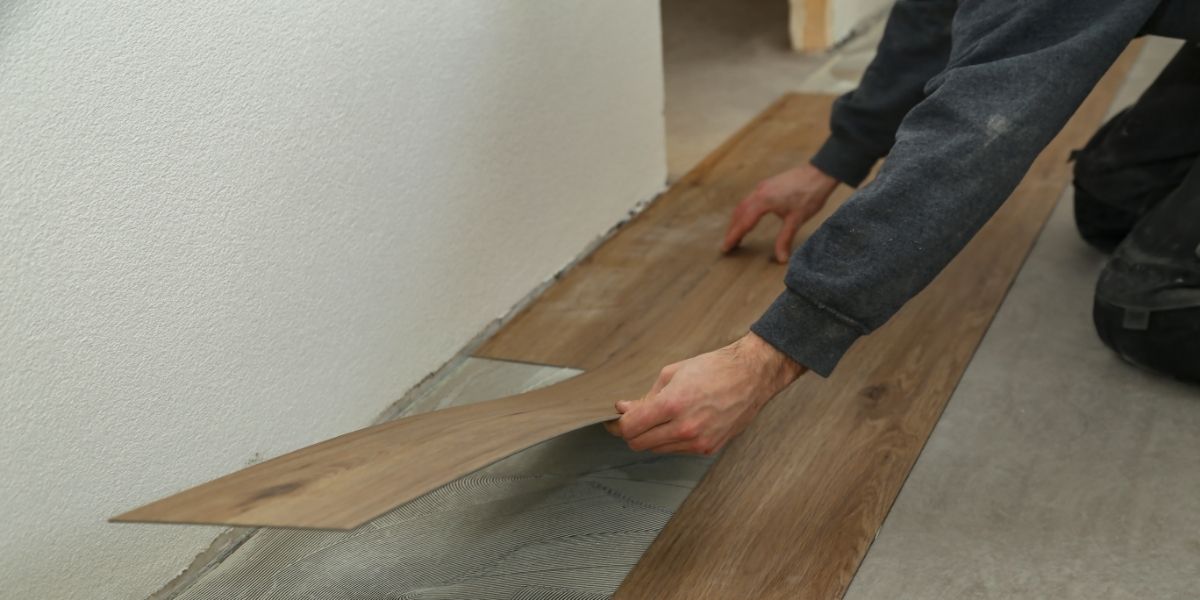

Luxury vinyl flooring (often called LVP or LVT) is built to handle real life: muddy shoes, spilled coffee, pet traffic, and busy kitchens. But “tough” doesn’t mean “anything goes.” The most common damage to luxury vinyl doesn’t come from one big disaster; it comes from small habits repeated over time: using the wrong cleaner, leaving too much water behind, or scrubbing with a tool that’s just a little too rough. Those mistakes can dull the finish, weaken seams, and leave a cloudy film that makes the floor look dirty even when it’s clean.
The good news is that proper care is straightforward and doesn’t require harsh chemicals or expensive gadgets. The goal is simple: remove grit before it scratches, clean with a gentle solution that won’t leave residue, and control moisture so it never seeps where it shouldn’t. With a few smart do’s and don’ts, you can keep luxury vinyl looking fresh while protecting its wear layer—the clear top coating that defends against scuffs and stains. Whether your floor is in a high-traffic hallway or a spill-prone dining area, the right routine keeps it beautiful, hygienic, and comfortable underfoot for years.
1) Do Start With Dry Cleaning (It Prevents Wear)
Do: Sweep daily or as needed using a soft-bristle broom, microfiber dust mop, or a vacuum set to “hard floor.” Fine grit acts like sandpaper under shoes and chair legs, slowly dulling the finish. Dry cleaning is the best defense because it removes the abrasive particles before they grind into the surface.
Don’t: Use a vacuum with a beater bar or stiff rotating brush meant for carpet. That agitation can cause micro-scratches and premature wear. Also, avoid rough push brooms intended for garages or outdoor use.
2) Do Use a Damp Mop Not a Wet One
Do: Mop with a well-wrung microfiber mop so the floor is damp, not dripping. Luxury vinyl is water-resistant, but standing water can creep into seams, edges, and transitions over time. A light, controlled amount of moisture lifts soil without risking swelling or adhesive breakdown (especially on glue-down installations).
Don’t: Flood the floor with water, use a soaking wet string mop, or let puddles sit “until you finish the room.” If you see visible water, you’re using too much. After mopping, let the floor air-dry quickly or towel-dry spots that stay wet.
3) Do Choose pH-Neutral Cleaners (Residue Is the Enemy)
Do: Pick a pH-neutral cleaner labeled for luxury vinyl, or use a mild solution of warm water with a small amount of gentle dish soap. The best cleaners cut grime without leaving a sticky film. If you prefer a rinse-free product, follow the dilution instructions closely; overconcentration is a common cause of haze.
Don’t: Use abrasive powders, high-alkaline degreasers, ammonia, or bleach-based cleaners unless the manufacturer specifically allows it. These can dull the finish and break down the protective top layer. Also, avoid oil soaps and “shine” products; many leave residue that attracts dirt and makes the floor look cloudy.
4) Do Treat Spills and Stains Quickly and Correctly
Do: Blot spills right away with a soft cloth. For sticky messes, use warm water first, then a vinyl-safe cleaner if needed. For tougher marks (like scuffs), try a damp microfiber cloth and gentle rubbing. If you’re dealing with a stain like berry juice or tomato sauce, clean promptly so pigments don’t linger.
Don’t: Scrub aggressively with abrasive pads or steel wool. Even if the stain lifts, the scratch pattern can remain. Avoid letting “natural” acids like vinegar sit on the surface for long. Some people swear by vinegar, but repeated use can dull certain finishes; if you use it at all, keep it very diluted and don’t make it your everyday cleaner.
5) Do Protect the Floor With Simple Preventive Habits
Do: Add felt pads under furniture, especially dining chairs. Use mats at entrances to trap grit and moisture, and choose rugs labeled “vinyl-safe” with a non-staining backing. Trim pet nails regularly to reduce scuffing. For rolling chairs, use a protective floor mat designed for hard surfaces.
Don’t: Use rubber-backed mats that can discolor vinyl, and don’t drag heavy furniture across the floor. Lifting is always safer than sliding. Skip waxes and polishes; luxury vinyl doesn’t need them, and buildup can be difficult to remove without damaging the finish.
6) Don’t Steam Mop or Overheat the Surface
Do: Stick with gentle, low-moisture cleaning methods. Luxury vinyl is layered, and heat can soften adhesives, stress seams, or warp planks over time. If you want extra sanitation, focus on frequent dry cleaning and a vinyl-approved cleaner.
Don’t: Use steam mops unless your specific flooring manufacturer clearly approves them in writing. “Works on most floors” is not the same as “safe for your floor.” High heat and moisture forced into joints can shorten the life of the installation.
Luxury vinyl flooring stays at its best when cleaning is consistent, gentle, and moisture-controlled. Remove grit often, mop with a damp microfiber tool, and choose pH-neutral products that won’t leave a residue. Handle spills quickly, and take a preventive approach with entry mats, felt pads, and proper rug backings. Just as important, avoid the habits that quietly wear floors down over time: soaking wet mops, harsh chemicals, abrasive scrubbers, and steam. When you follow these do’s and don’ts, your floor keeps its original look longer, feels cleaner underfoot, and holds up better in the rooms that see the most life. If you’d like personalized guidance for your specific luxury vinyl style, reach out to Custom Floor and Design for expert recommendations and a flooring care plan that fits your home.


